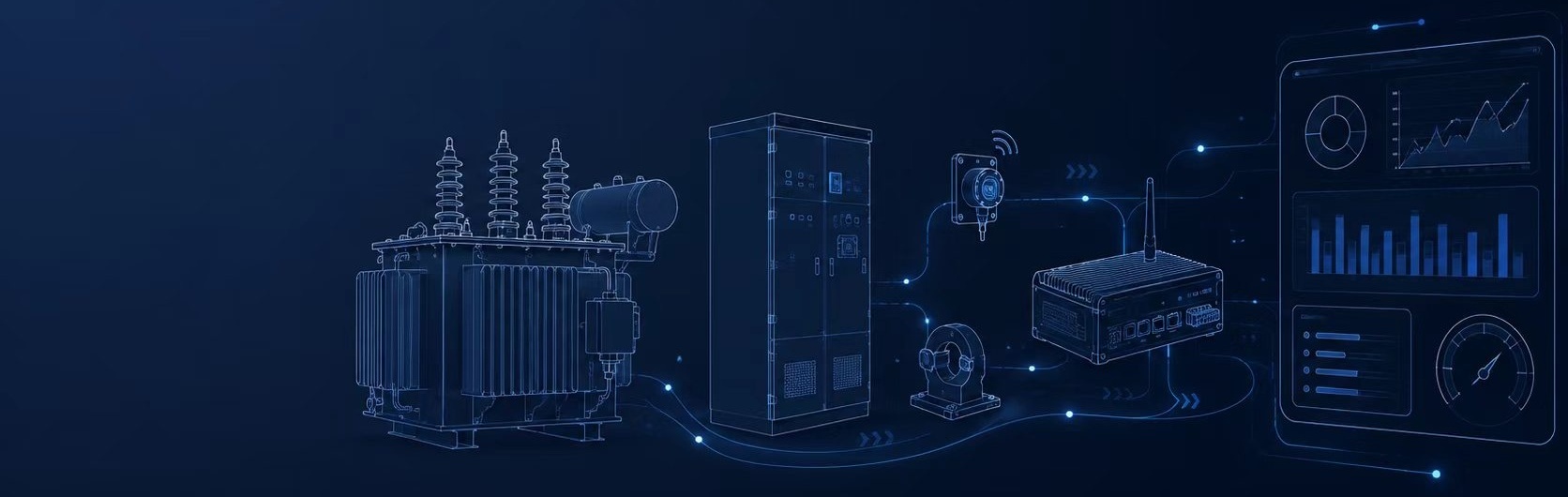
Unplanned transformer failures cost more than the repair bill — and the warning signs are usually there weeks before the fault, if you know how to look.

Most facilities run transformer maintenance on fixed schedules: annual inspections, periodic oil sampling, component replacement only when a test flags a problem. The gap is that transformer faults do not follow schedules. Insulation degradation, cooling issues and contact surface deterioration can progress from undetectable to critical in the interval between two routine visits. By the time a scheduled inspection finds the problem, the intervention is more expensive — and an unplanned outage triggered by a fault that was already developing costs far more than any planned maintenance window. The total cost is not just the repair: it is lost production, emergency logistics and the time your team spends managing a crisis instead of a planned outage.

Continuous condition monitoring forms the foundation. Sensors on each transformer track internal parameters — winding temperature, electrical condition, oil state — and feed a central platform that identifies developing trends weeks before they become faults. Maintenance teams see what is building inside each asset and can plan intervention rather than respond to a protection trip.
Infrared thermal imaging adds a second diagnostic layer, covering what fixed sensors cannot reach: surface temperature distribution across the transformer body and surrounding switchgear, connection point quality, and heat patterns in components that have no sensor attachment point. Where sensor data describes internal parameters, thermal imaging describes the physical condition of every joint and surface in the distribution area.
Visual inspection through edge-connected cameras completes the picture: oil seepage, surface corrosion on bushings, blocked cooling channels and gauge readings checked automatically — the kind of checks that require a trained engineer on-site today, completed continuously without a site visit.
All three data streams connect to supply through a single platform. When an issue is identified — whether from a sensor trend, a thermal image or a visual check — the relevant spare parts are pre-matched in the catalogue so your procurement team has options ready before the maintenance window opens. Condition monitoring and MRO supply become one coordinated programme rather than two separate workflows that happen to share the same asset.
Monitoring System"Know what's happening inside your transformer — and outside it — before a failure forces the question."

Components selected for a specific role in this scenario — not a full catalogue listing.
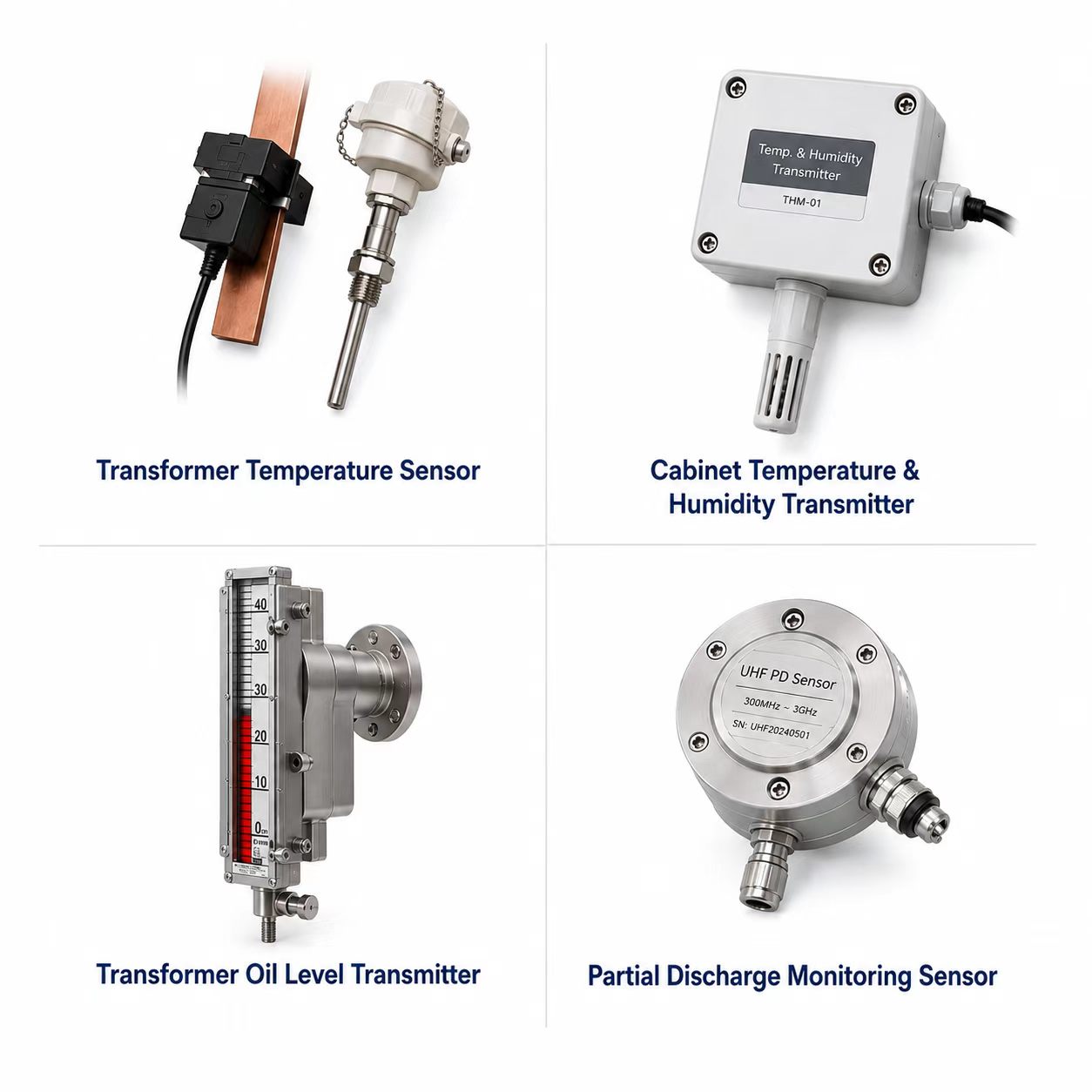
Core field layer — temperature, partial discharge and oil level in one deployable kit; detects developing faults weeks before they become failures.
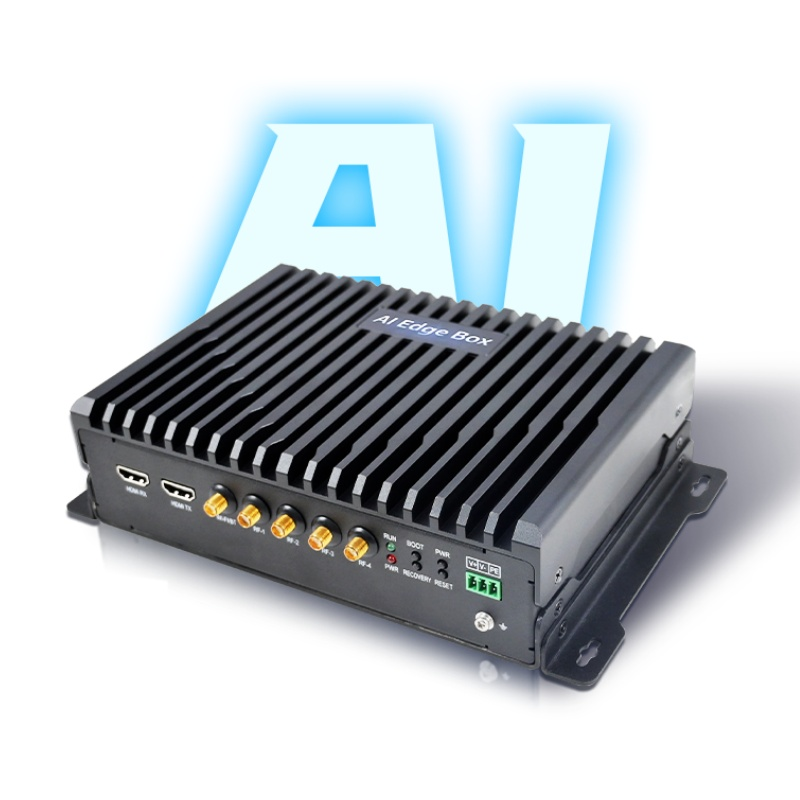
Aggregates sensor and camera data, processes alarms at the asset — thresholds and alerts run locally, not only after cloud upload.
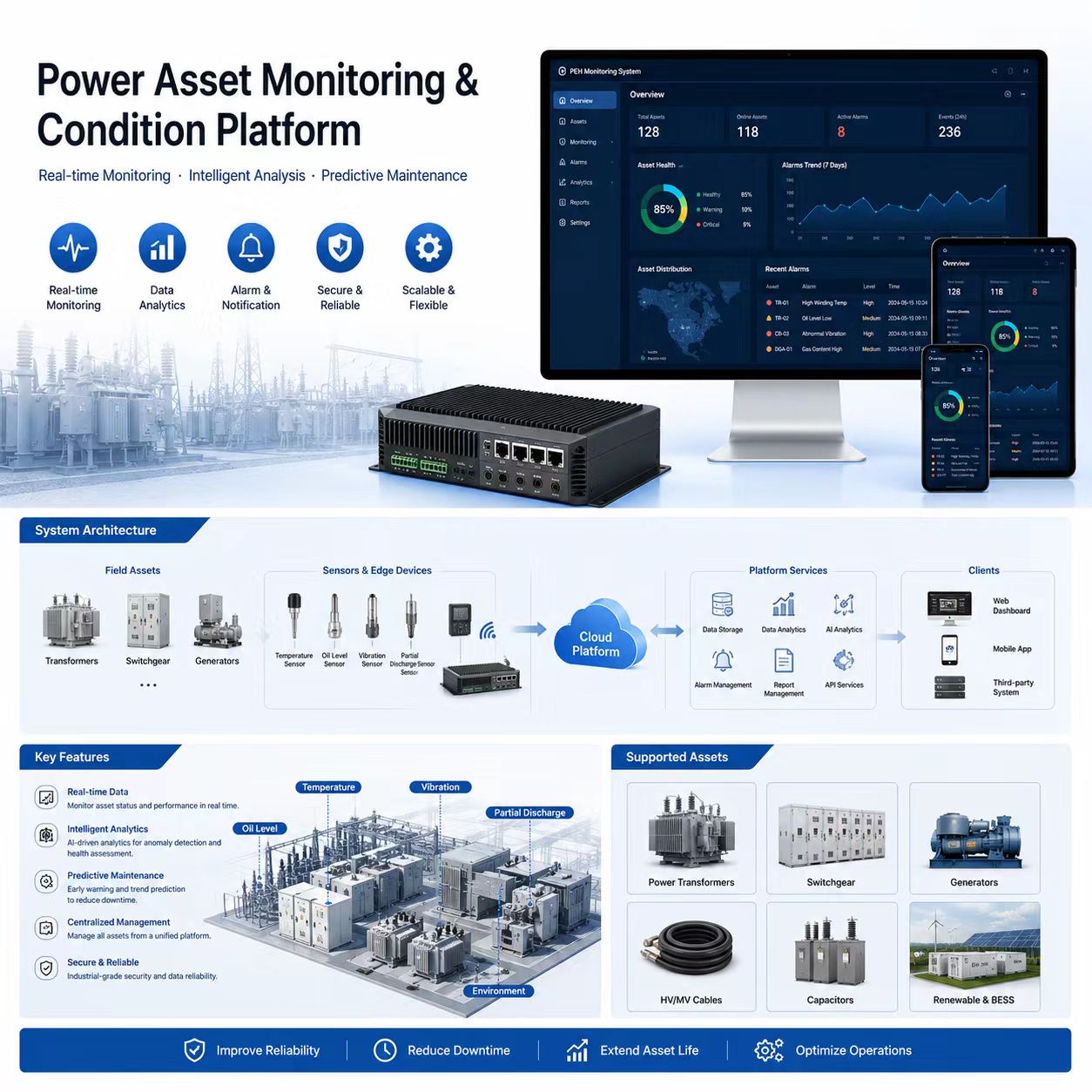
Central dashboard connecting sensor trends, thermal imaging results and visual inspection in one interface, with supply actions linked to what the platform finds.
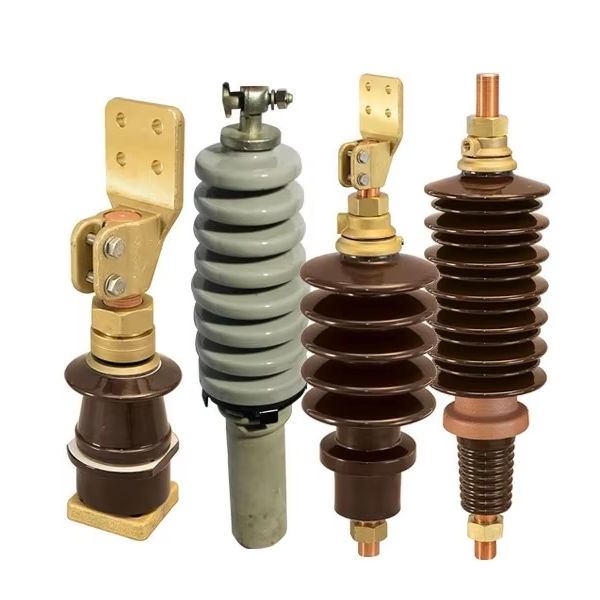
High-wear item frequently identified through visual and thermal inspection — OEM cross-reference support for fast replacement sourcing.

Most relevant for industrial facilities and utilities operating between 3 and 50 distribution transformers where unplanned downtime has a measurable production cost and the current maintenance programme runs on fixed schedules without continuous asset visibility. The monitoring layer can be phased — starting with sensors on critical assets, adding thermal and visual inspection as the programme matures. MRO supply can be structured as a framework agreement against your maintenance calendar or as reactive supply triggered by platform findings. We scope both against your asset register.

Further reading on the engineering behind this scenario — practical context, no sales pitch.

Honest cost comparison, organizational readiness requirements and a practical framework for when monitoring beats scheduled maintenance.
Read article →
Architecture for temperature, PD, DGA and moisture monitoring — sensors, edge gateways and what to measure first.
Read article →
IEC 60076-7 thermal models, hot spot vs top-oil temperature, alarm thresholds and practical loading decisions.
Read article →